Total Cost of Ownership: Hybrid vs. Battery
Mar 1, 2026
Share:
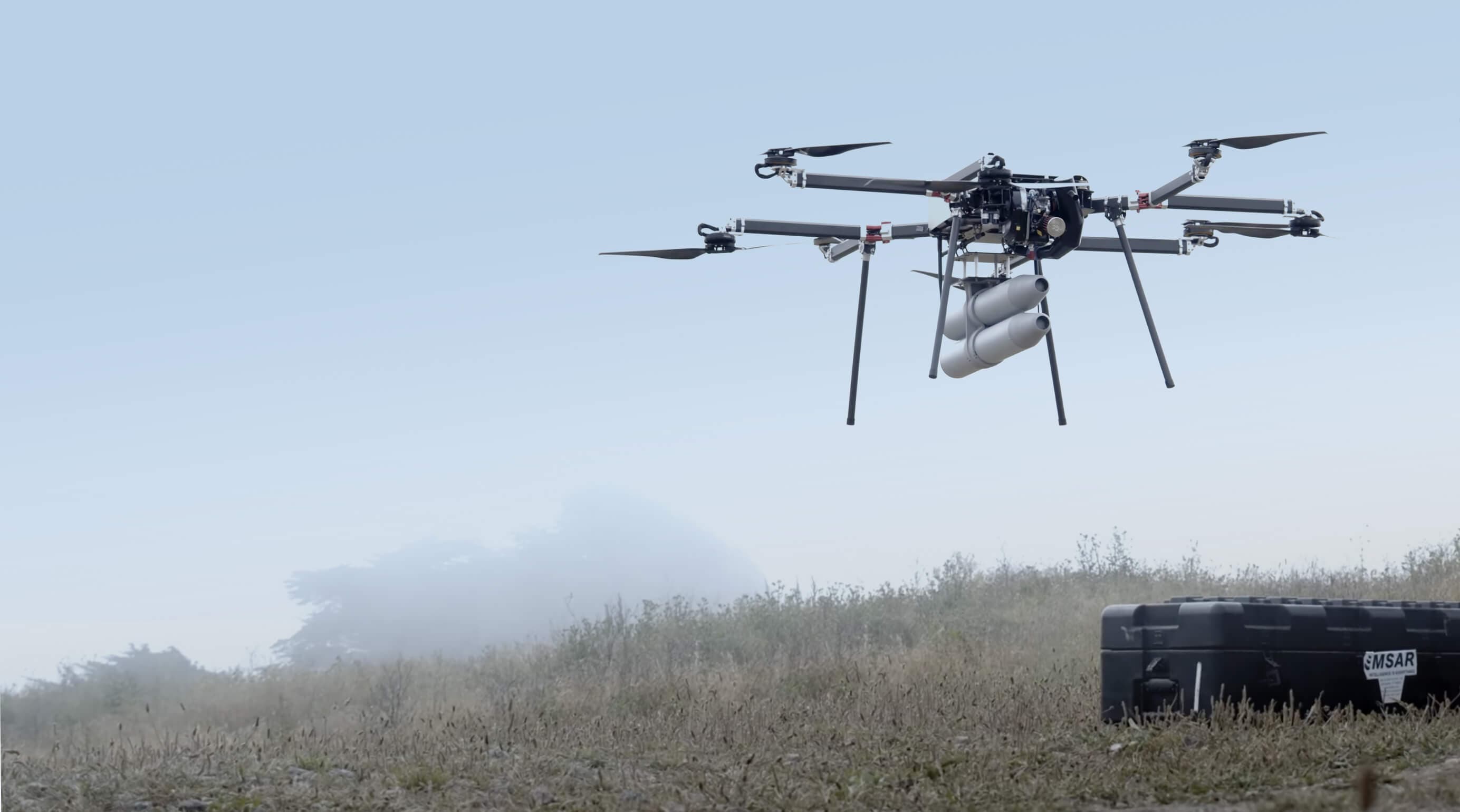
When evaluating drone platforms, purchase price is only part of the equation. The true differentiator is total cost of ownership. This is where hybrid electric drones deliver a decisive advantage over battery electric systems:
Reduced Operational Expenses
Hybrid electric drones streamline field operations in ways that directly impact the bottom line. A single hybrid drone requires minimal support equipment—no multiple battery sets, no heavy generators for field charging. Operators refuel quickly and efficiently, reducing turnaround time and the personnel hours associated with battery management. Over the course of a year, these efficiencies translate into substantial cost savings.

Transportation and Deployment Savings
Deploying a hybrid electric drone globally is remarkably affordable. The Skyfront Perimeter 8, for example, can travel on a commercial airliner as carry-on baggage for approximately three hundred dollars in oversized baggage fees. Compare this to the thousands of dollars typically required to ship drone batteries through specialized logistics carriers, along with the regulatory paperwork involved in transporting large lithium batteries internationally. For organizations conducting frequent demonstrations or operations in locations requiring air travel, hybrid drones save $20,000 to $30,000 annually in shipping costs alone.
No Battery Degradation
One of the most overlooked cost drivers in drone operations is battery degradation. Battery electric drones require complete battery replacement on an annual basis, representing a significant recurring capital expense. Hybrid electric drones eliminate this cycle entirely, extending the useful life of the platform and protecting the initial investment over multiple years of operation. Lastly, modern batteries are expensive (~$4,000-$8,000 per set) -- and they are not even made in the USA yet!
Long Endurance Means More Value Per Flight
The long endurance capability of hybrid electric drones amplifies their cost advantage further. Longer flight times mean more ground covered per mission, fewer flights required to complete a project, and ultimately a lower cost per acre or cost per mile of coverage. For operators focused on maximizing return on investment, hybrid drones deliver more value with every hour in the air.
The Bottom Line
When total cost of ownership is the metric, not just sticker price, hybrid electric drones represent the smarter long-term investment. Lower operational costs, minimal transportation expenses, and freedom from annual battery replacement cycles add up to a significantly more economical platform over its lifetime.


 Location
Redwood City, CA 94063, USA.